


The term “lumens” has always been a bit confusing when it comes to lighting, but it's one of the most important factors that helps you choose the perfect lighting for your space.
In the upcoming few lines, let's explore one of the most essential concepts in the world of lighting: the difference between lumens and watts.
What Are Lumens in Lighting?
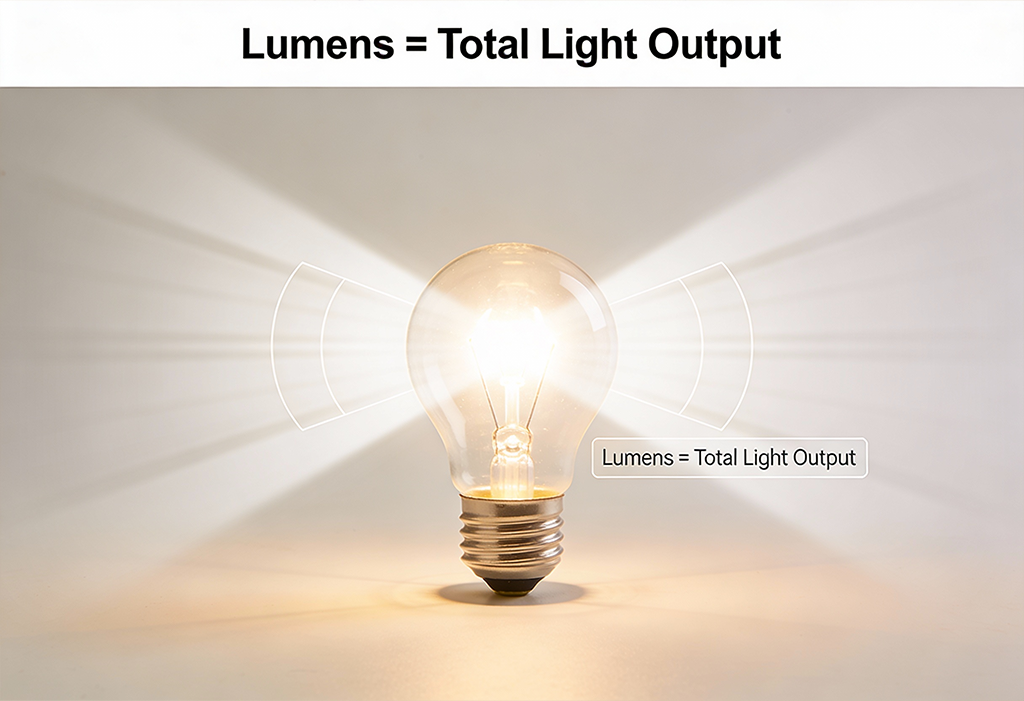
If you want to highlight the beauty of your modern home décor, you need to focus on lumens (Lm), not just watts.
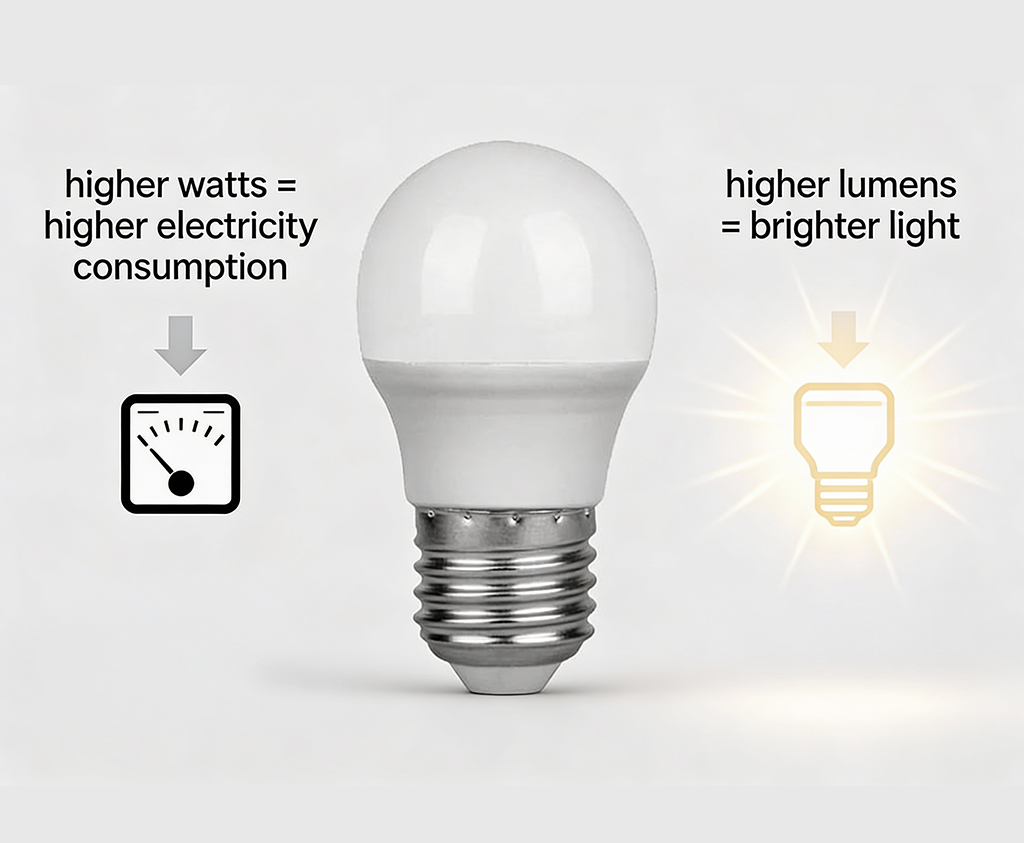
Lumens measure the actual brightness of a light bulb or fixture. In simpler terms, the higher the lumens, the brighter the light. This is especially important when using modern LED lights, which are designed to emit more light using less energy.
Pro tip: Always check the lumen rating on the packaging before you buy.
What Are Watts in Lighting?
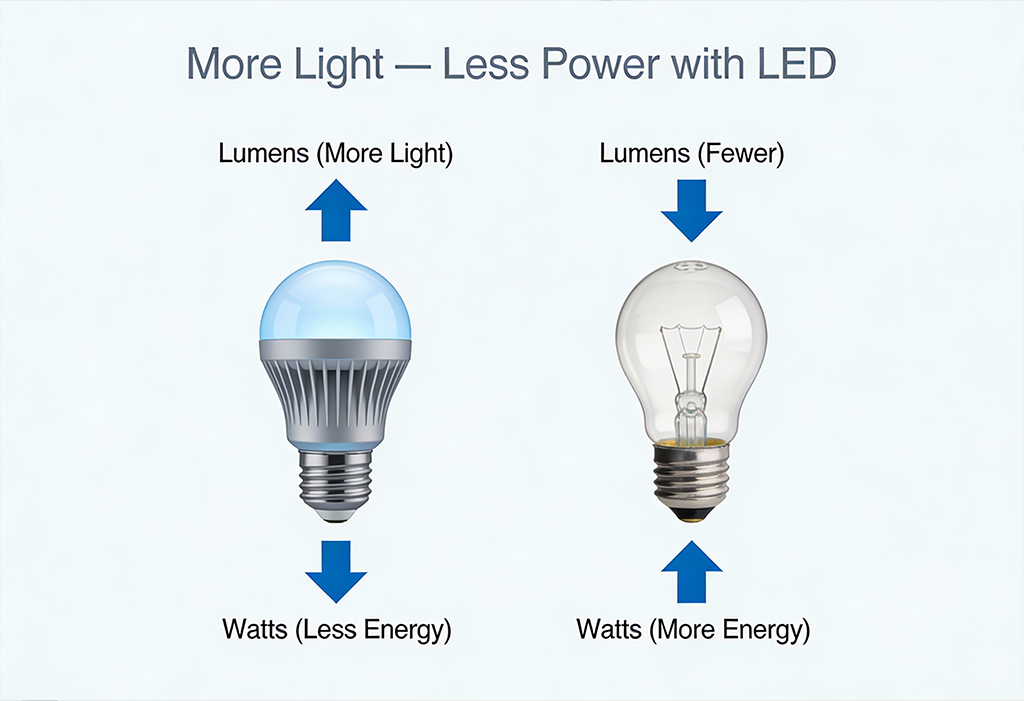
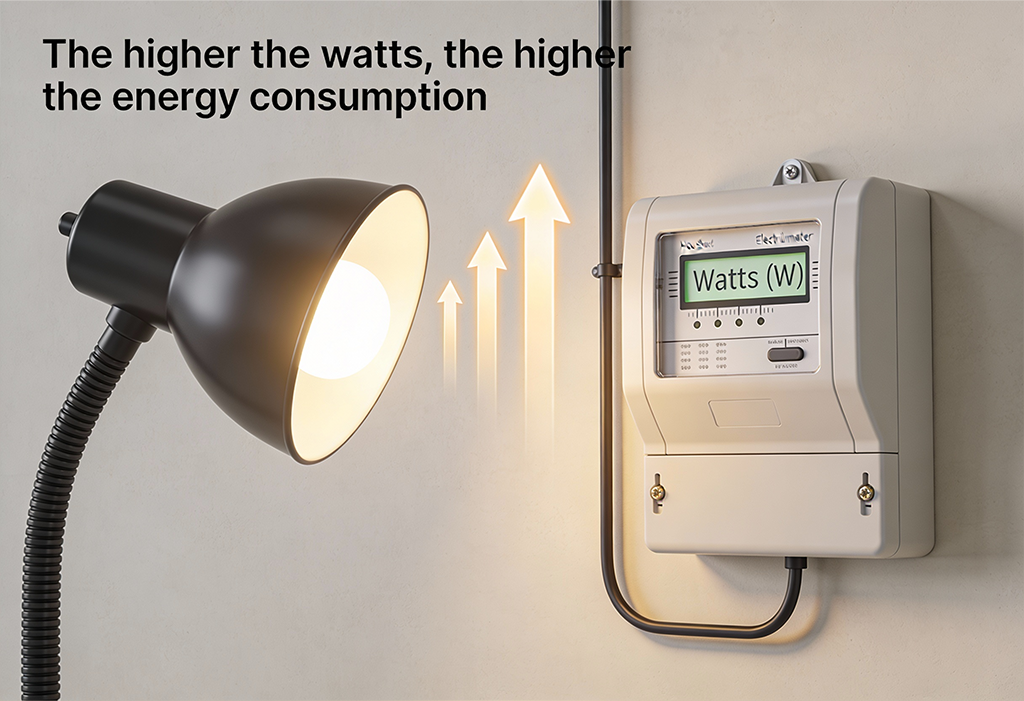
Watts (W) measure how much electricity a bulb consumes, not how much light it produces.
In the past, people assumed that a 100-watt bulb was brighter than a 60-watt bulb. While that was somewhat true for old incandescent bulbs, it's no longer a reliable way to judge brightness, especially with the rise of LED technology.
A lower wattage LED bulb can now produce even more brightness than a high-wattage incandescent bulb and use far less electricity.
Lumens and Watts: How Are They Related?
To make things easier, here’s a simple rule of thumb:
Lumens ≈ Watts × 10
For example:
- A 6-watt LED bulb ≈ 600 lumens
- A 10-watt LED bulb ≈ 1000 lumens
This formula helps you compare bulbs and decide if they’re suitable for different rooms like bedrooms, kitchens, or living areas.
How to Choose the Right Bulb for Your Space
Whether you're lighting a cozy bedroom or a modern kitchen, always pay attention to lumen output, not just wattage. You want brighter bulbs with less power consumption.
Here’s a quick comparison:
- Bulb A: 9 watts, 630 lumens
- Bulb B: 9 watts, 900 lumens
Choose Bulb B, same energy usage, but much brighter!
Conclusion: Lumens vs. Watts Simplified
- Lumens = How much light you get
- Watts = How much electricity you use
Understanding this simple difference can help you make smarter lighting choices and improve both energy efficiency and ambiance in your home.
Explore More Lighting Tips
Now that you know how to read lighting specs like a pro, check out the rest of the Fanos Blog for expert tips on lighting, home décor, and choosing the perfect fixtures for every space.