

Lighting is one of the essentials of interior design. It is not just a decorative element but a key factor in creating a comfortable and functional atmosphere at home.
There are different types of lighting, mainly white and yellow. If you’re wondering which one is the healthier option for your home—yellow or white—this article will guide you through the answer, along with other common questions about choosing the right lighting for your space.
Choosing correctly between yellow and white lighting can significantly enhance your comfort and daily productivity.
What’s the Difference Between Yellow and White Lighting?
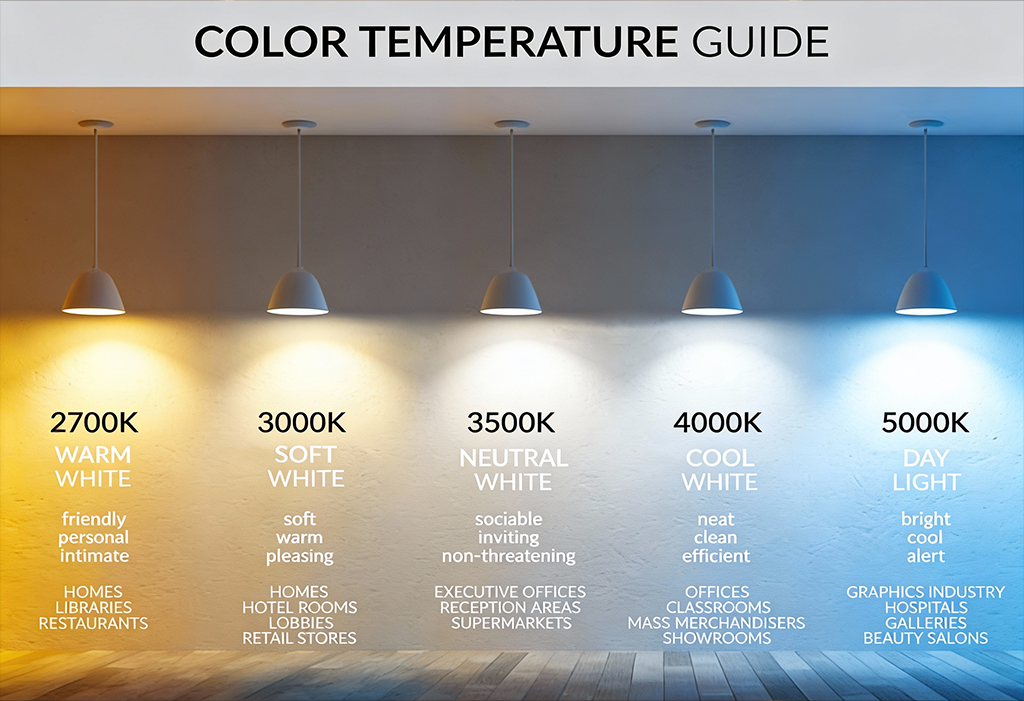
Before understanding the difference, let’s clarify what lighting temperature means. The “color temperature” of bulbs and lamps refers to the light color you see, measured in Kelvins (K).
- Yellow light has a warm, cozy glow (around 2700K).
- White light tends to be cooler and provides higher clarity (above 5000K).
For example, a bulb at 2700K appears warm yellow, while one at 5000K or higher appears bright white or daylight-like.
Here’s a quick reference table:

When Should You Choose Yellow Lighting?
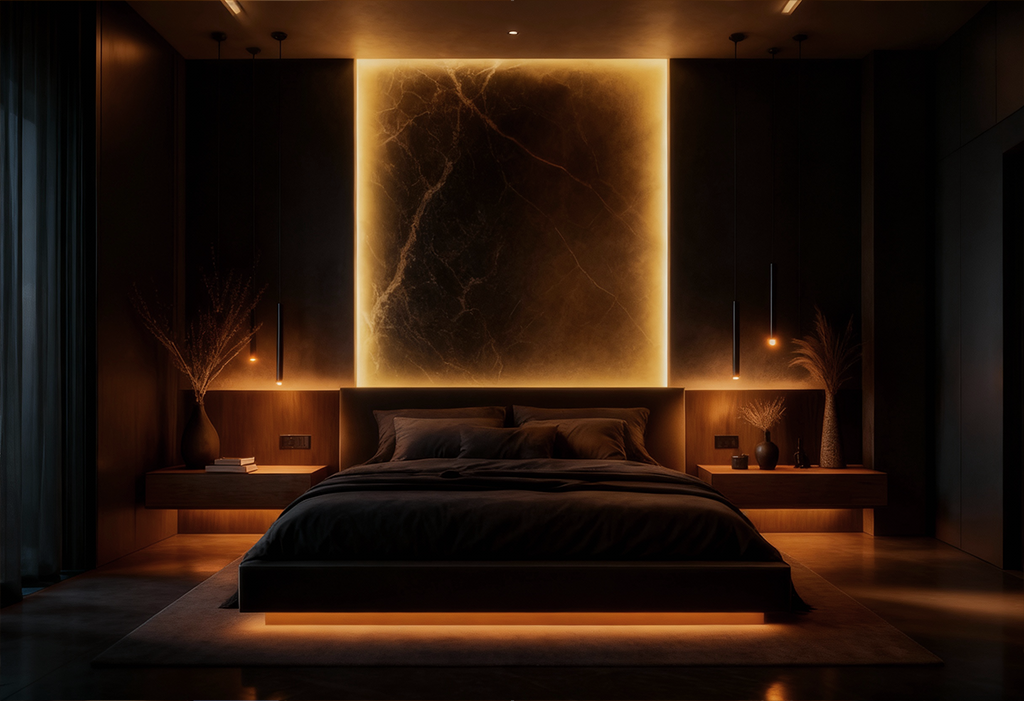
If you want a calm and cozy atmosphere in your bedroom, reading corner, or family room, yellow lighting is the best choice. It helps your body prepare for sleep and supports mental relaxation.
When Do You Need White Lighting?
White light works better in study rooms, kitchens, or workshops where clarity and alertness are required. It’s ideal for tasks that demand precision—such as reading, cooking, or detailed work.
Which is Healthier for Your Eyes?
The common warning that “white light is harmful” is exaggerated. In reality:
- Moderate white lighting (4000–5000K) is suitable for work and reduces eye strain.
- Yellow lighting promotes relaxation and minimizes blue light exposure near bedtime.
- Both are healthy if used at the right color temperature and in the right context.
For the best results, combine both:
- Use yellow light for comfort.
- Use white light for productivity.
- Try CCT control switches or smart bulbs to adjust light color according to time and mood.
Example: A ceiling light with white lighting for general illumination, complemented by side yellow lamps for evening relaxation.
Tips for Choosing the Right Lighting
- Define the purpose of the room: Relaxation or focus?
- Choose the right Kelvin range:
- 2700–3000K for comfort.
- 4000–5000K for focus.
- Use smart controls or CCT bulbs to switch between colors easily.
- Mix lighting angles (downlights, spotlights, floor lamps) for balanced distribution.
- Opt for LED bulbs for energy efficiency and long-lasting quality.
Best Lighting Colors by Room
- 2700–3000K (Warm Yellow): Bedrooms, living rooms, dining areas.
- 4000–5000K (Neutral White): Offices, study rooms, bright bathrooms.
- 6000K+ (Bright Daylight): Industrial workspaces, dressing areas, mirrors.
FAQs
- Best for bedrooms? 2700–3000K
- Best for kitchens? 4000–5000K
- Children’s rooms? Flexible mix between warm and neutral white
- Benefits of LEDs? Long lifespan, energy-saving
- Healthiest bulb? High quality, moderate distribution, and suitable color temperature
Final Thoughts
Yellow and white lighting are not just options—they are tools to transform your home into a healthier and more functional space. Choose the right color for each room, and experiment with smart mixing using LED bulbs and adjustable switches.
Explore Fanoos’s premium lighting collections, and let their experts help you select the perfect lighting for your home—adding both functionality and an elegant design touch.