

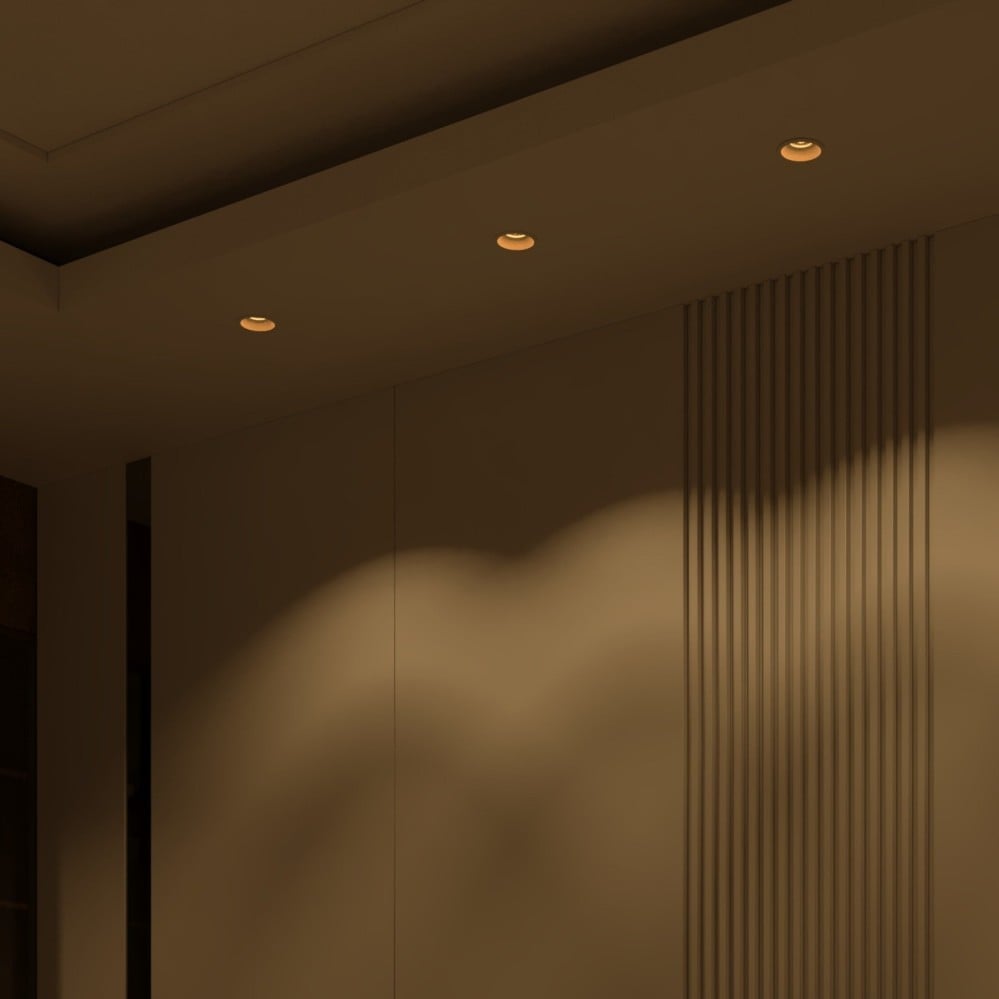
The right lighting doesn’t just illuminate a space—it completes it. A well-planned light layout enhances the mood, highlights your interior features, and elevates the overall aesthetic. At the heart of modern lighting design? Spotlights.
Simple, versatile, and sleek, spotlights are a top choice for achieving elegant, functional, and energy-efficient lighting across homes and commercial spaces alike.
Why Spotlights Are the Star of Modern Lighting Layouts
Spotlights are incredibly adaptable. Thanks to their minimalist design, they blend effortlessly into any décor—whether your space is modern, classic, bohemian, or industrial.
Unlike bulky fixtures, spotlights are compact and discreet, providing focused or ambient light without overwhelming the ceiling. Most are LED-based, which makes them energy-saving, long-lasting, and eco-friendly.
Another major advantage? Flexibility. Spotlights can be installed in false ceilings, gypsum panels, or on track systems—and their bulbs can be easily replaced or adjusted.
Types of Spotlights and How to Use Them in Your Home
To create an effective lighting distribution, it’s important to choose the right type of spotlight based on the function of the space:
- Fixed Ceiling Downlights – The go-to spotlight for general illumination. These are installed flush with the ceiling and emit downward light to brighten rooms evenly.
- Adjustable or Directional Spotlights – These allow you to tilt or rotate the light toward a specific object or corner, perfect for accent lighting in living rooms or galleries.
- Track Lighting Spotlights – Mounted on a magnetic or standard track, these offer dynamic lighting solutions. Move them along the track, change the direction, or adjust the number of lights to suit your needs—ideal for modern interiors and open spaces.
- Wall-Mounted Spotlights – Functional and stylish, these are perfect for highlighting mirrors, artwork, or creating layered lighting on vertical surfaces.
Spotlights vs. Downlights: Know the Difference
Both fixtures are essential—but they serve different purposes:
- Spotlights offer narrow, focused beams (typically between 10°–15°) and can be directed toward artwork, décor pieces, or architectural features. Think of them as precision tools for visual storytelling.
- Downlights emit a wider, fixed beam aimed directly downward. They’re excellent for general lighting—ideal for kitchens, hallways, and living spaces.
For the best results, combine both types in your light layout to create a balance of ambient and accent lighting.
How to Plan the Perfect Spotlight Layout
Great lighting isn’t random—it’s intentional. Whether you’re illuminating a gallery wall or a cozy reading nook, spotlight placement matters.
Start by identifying focal points in the room:
Artwork, statement furniture, kitchen islands, mirrors, or textures you want to highlight.
For general lighting, place downlights in the center of the ceiling or evenly spaced across the room.
Avoid placing spotlights directly above sofas or seating areas—they can cause harsh shadows or glare that make it uncomfortable for people sitting underneath.
Spotlight Spacing: How Far Apart Should Spotlights Be?
One of the most important aspects of effective lighting is correct spotlight spacing.
Here’s a quick spotlight spacing calculator you can follow:
Room length (or width) ÷ 2 = Approximate number of spotlights needed
Once you know the number of lights, you can calculate the ceiling spotlight spacing like this:
Distance between each spotlight = Room width ÷ Number of spotlights
Repeat the same for the room’s length to get an even grid.
Pro tip:
The distance from the spotlight to the nearest wall should be half the distance between each spotlight.
In general, maintain at least 1 meter between spotlights and walls to avoid shadows or uneven brightness.
Common Mistakes in Spotlight Lighting Distribution
Avoid these lighting pitfalls to maintain visual harmony:
- Uneven spacing between spotlights leads to patchy lighting and poor wall finishes.
- Overusing spotlights can create harsh glare, cause headaches, and waste energy.
- Mixing different color temperatures (like cool white and warm yellow) makes the space feel disjointed.
- Using spotlights without anti-glare reflectors. Choose styles with black or silver anti-glare frames for better visual comfort.
- Relying only on spotlights. Always complement them with general lighting like chandeliers or pendant lights to add depth and warmth.
Design with Light in Mind
The secret to exceptional interior design isn’t just in the materials—it’s in how you light them. Spotlights, when used correctly, can transform an ordinary space into something stunning.
With the right combination of spotlight spacing, fixture types, and distribution techniques, your lighting can feel seamless, elegant, and effortless.
Browse our expert-curated selection of spotlights and lighting accessories at Fanos, and take the next step toward illuminating your home with precision and style.